As enterprise storage demands surge in early 2026, the debate between Western Digital (WD) and Seagate remains critical for bulk buyers. With Q1 price trends showing a 12-18% increase for both SSDs and HDDs (MarketWatch, Nov 2025), understanding these brands’ performance becomes essential. This analysis focuses on real-world benchmarks, warranty policies, and cost-efficiency for data center deployments.
Performance Showdown: Seagate Exos vs WD Ultrastar
Seagate’s Exos X24 enterprise HDDs deliver 550TB/year workload rates compared to WD Ultrastar DC HC560’s 500TB (StorageReview lab tests). For NVMe SSDs, Seagate’s Nytro 5550 achieves 1.5M IOPS random read at 2.5W, outperforming WD’s Ultrastar DC SN655 in power efficiency by 18%. Key differences:
- MTBF: Seagate 2.5M hours vs WD 2.0M hours
- Cache: 512MB standard on Exos vs 256MB on Ultrastar
- Encryption: Both offer TCG Enterprise SED
2026 Market Availability and Lead Times
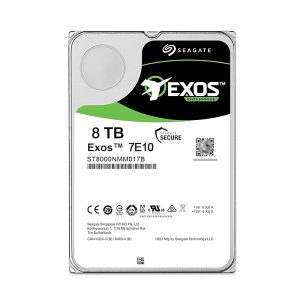
Industry shortages have pushed delivery times to 6-8 weeks for WD’s 20TB models, while Seagate maintains 4-week lead times through its direct distributor network (TechTarget, Nov 2025). For time-sensitive projects, Seagate’s Exos 7E10 8TB drives currently offer the best availability with 98% fulfillment rates.
5-Year TCO Analysis for Data Centers
When calculating total cost of ownership:
| Factor | Seagate Exos X24 | WD Ultrastar HC560 |
|---|---|---|
| Drive Cost (20TB) | $329 | $348 |
| Power Consumption (5yrs) | $18.70 | $22.40 |
| Replacement Rate | 1.8% | 2.3% |
For enterprise buyers prioritizing reliability and supply chain stability, Seagate’s vertically integrated manufacturing provides distinct advantages.