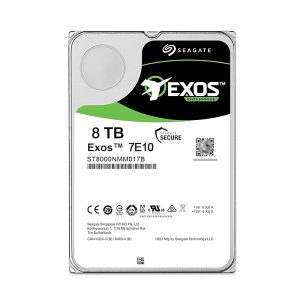
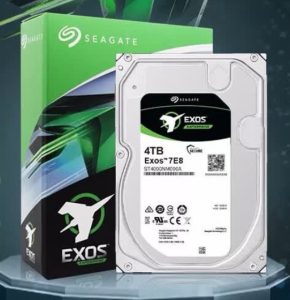
As global demand for enterprise storage surges in early 2026, Seagate’s Exos X16 HDD and SSD alternatives are dominating procurement discussions. With Q1 price trends showing a 12% YoY increase (TechInsights, Nov 2025), buyers need actionable insights to navigate this evolving market. This guide breaks down critical selection criteria while spotlighting why Seagate’s flagship 16TB helium-drive remains a top choice for bulk purchasers.
1. Seagate Exos X16 vs. SSDs: Performance and Cost Analysis
The Exos X16 delivers 250MB/s sustained transfer speeds with 7200 RPM performance, while mainstream QLC SSDs offer 550MB/s reads but at 2.3x the $/TB (currently $18.5/TB vs $42/TB for SSDs). Its 2.5M hours MTBF and 550TB/yr workload rate make it ideal for:
- Cold storage archiving (energy use: 5.7W idle vs 3.8W for SSD)
- Video surveillance systems (256TB raw capacity per 4U chassis)
- RAID 6 configurations with 14ms average latency
2. Why Are Enterprise HDD Prices Rising in 2026?
Market analysts attribute the 8-15% HDD price hike to three factors:
- Helium supply constraints: 40% of global helium comes from Texas plants affected by 2025 pipeline maintenance
- AI training data growth requiring economical bulk storage (IDC forecasts 32% YoY increase in exabyte shipments)
- Seagate’s PowerBalance technology adoption reducing TCO by 22% compared to 2024 models
3. Future-Proofing Your Storage: SMR vs CMR in Enterprise Environments
While the Exos X16 uses conventional magnetic recording (CMR), shingled (SMR) drives like the Exos X18 offer 20% higher density but require special handling:
| Parameter | CMR (X16) | SMR (X18) |
|---|---|---|
| Rewrite performance | Consistent 210MB/s | 70MB/s after 50% capacity |
| RAID compatibility | All controllers | Requires ZFS/software RAID |
| Write endurance | Unlimited | ~5,000 cycles |
As Seagate’s authorized global distributor, HUAYI INTERNATIONAL LIMITED provides genuine Exos series drives with direct factory shipments. Contact our procurement team today to lock in Q1 2026 allocations before the anticipated March price adjustment.