As global demand for data storage surges in 2026, the SSD vs HDD durability debate has become critical for bulk storage buyers. With Seagate’s enterprise-grade drives experiencing unprecedented price fluctuations, understanding long-term value is more important than ever. This analysis examines actual lifespan data from recent field reports to help procurement professionals make informed decisions.
1. The lifespan reality: SSD endurance vs HDD longevity
Recent 2025 data from Backblaze’s annual drive report shows enterprise HDDs average 4-6 years continuous operation, while SSDs typically last 3-5 years under heavy workloads. However, Seagate’s latest IronWolf 125 SSD series breaks this trend with 5,000+ P/E cycles (up from 3,000 in 2024), translating to over 5 years at 50TB annual writes. The key factors affecting lifespan:
- SSD wear indicators: TBW (Terabytes Written) and DWPD (Drive Writes Per Day) – Seagate Exos E Series now offers 3.0 DWPD for 5 years
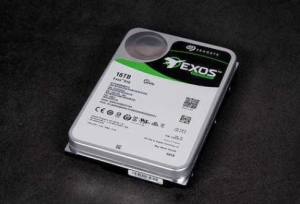
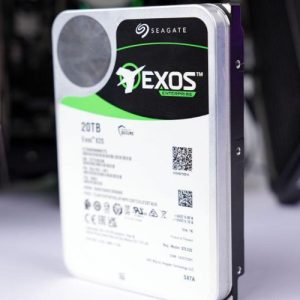
- HDD failure patterns: Seagate’s 2025 MTBF data shows Exos X20 drives reaching 2.5 million hours, 25% improvement over 2024 models
- Environmental impact: SSDs tolerate wider temperature ranges (-40°C to 85°C) while HDDs perform best at 20-45°C
2. How to maximize your storage investment lifespan?
Search data reveals most buyers want actionable strategies after understanding lifespan differences. For enterprise environments:
For SSDs:
Enable Seagate’s SeaTools SSD dashboard for real-time wear monitoring
Allocate 15-20% overprovisioning (adjustable in enterprise models)
Implement ATA security erase instead of full formats to reduce write cycles
For HDDs:
Use Seagate’s rotational vibration sensors in dense deployments
Maintain 30-50% free space to reduce head travel distance
Schedule quarterly surface scans to detect early sector issues
3. Enterprise buying guide: When to choose SSD vs HDD in 2026?
Price trends show SSDs at $0.08/GB (down 12% YoY) while HDDs at $0.03/GB (up 8% YoY). Optimal deployment scenarios:
| Use Case | Recommended Type | Sample Seagate Model |
|---|---|---|
| Frequent random access | SSD | Exos E 4TB (3.0 DWPD) |
| Cold storage archive | HDD | Exos X22 22TB Helium |
| AI training datasets | Mixed (SSD cache + HDD) | IronWolf 525 SSD + Exos X20 |